Creating a relaxing home workspace is essential for anyone who spends significant time working remotely or studying at home. A well-designed area can improve focus, reduce stress, and increase overall productivity. Whether you have a dedicated room or just a small corner, there are many ways to cultivate a comfortable, inviting environment. This post will guide you through practical tips to help you design a workspace that balances relaxation and efficiency.
Why a Relaxing Workspace Matters
Your workspace sets the tone for your workday. If it feels cluttered, noisy, or uncomfortable, your mind can become distracted or overwhelmed. A calming atmosphere helps you concentrate better, maintain your energy, and enjoy the process of working. Moreover, ergonomics and aesthetic appeal also play a big role in reducing physical strain and inspiring creativity.
1. Choose the Right Location
Start by selecting the best spot in your home for your workspace.
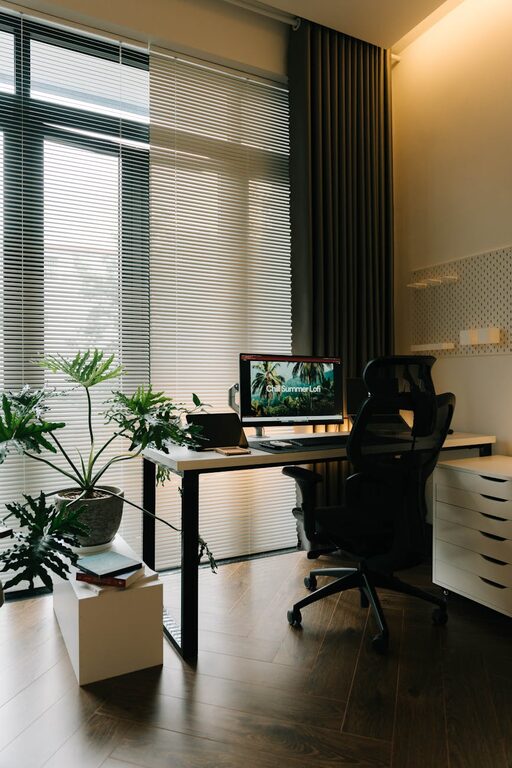
– Natural Light: Place your desk near a window if possible. Natural light boosts mood and alertness.
– Quiet Area: Avoid high-traffic or noisy spots to minimize distractions.
– Space Considerations: Ensure there’s enough room for your equipment and movement.
If space is limited, use partitions or screens to create a distinct workspace from the rest of your living area.
2. Invest in Ergonomic Furniture
Comfort is key to a relaxing workspace.
– Chair: Pick a chair with good lumbar support and adjustable height.
– Desk: Choose a desk at the right height for your body and consider standing desks or adjustable tables.
– Monitor Setup: Position your screen at eye level to prevent neck strain.
Ergonomic furniture may seem like an investment, but it pays off by reducing discomfort and fatigue.
3. Keep It Organized and Clutter-Free
Clutter can create mental chaos. To maintain a serene atmosphere:
– Use Storage Solutions: Bins, shelves, and drawer organizers keep supplies tidy.
– Minimal Decor: Limit decorative items to a few calming pieces like plants or art.
– Cable Management: Use clips or sleeves to organize cords neatly.
Regularly declutter your workspace to keep it refreshing and inviting.
4. Incorporate Calming Colors
Colors influence mood and productivity.
– Soft Neutrals: Shades like beige, light gray, or white can create a peaceful base.
– Cool Tones: Blues and greens are often associated with calmness and focus.
– Accents: Small pops of color (like a pastel accessory) can energize without overwhelming.
Choose colors that make you feel relaxed yet alert.
5. Add Personal Touches
Personalizing your desk can make work feel more enjoyable.
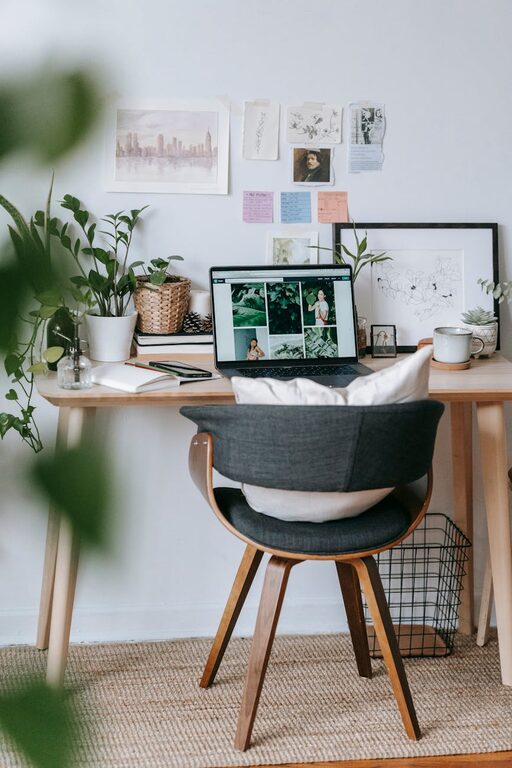
– Plants: Small indoor plants improve air quality and add a refreshing natural element.
– Photos or Artwork: Select images that inspire or comfort you.
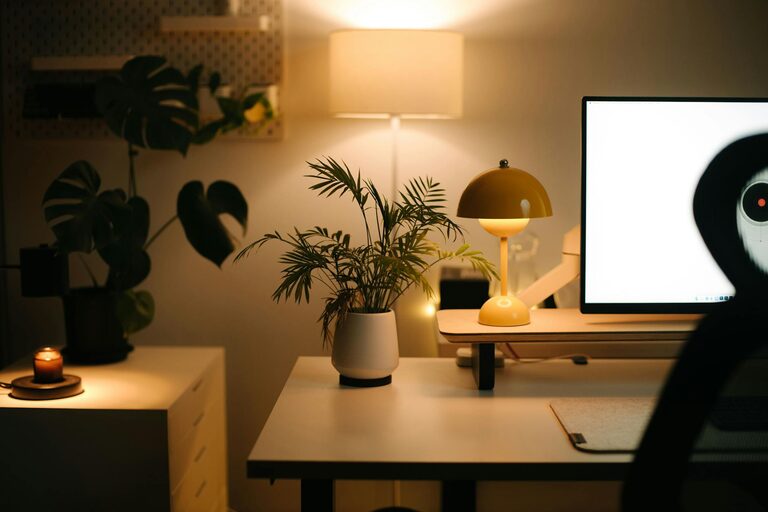
– Lighting Choices: Desk lamps or fairy lights can create a warm and cozy ambiance.
Remember, keep personalization balanced to avoid visual clutter.
6. Optimize Lighting
Good lighting reduces eye strain and boosts mood.
– Layered Lighting: Combine natural light with overhead and task lighting.
– Adjustable Lamps: Position lamps so you can control brightness and reduce glare.
– Avoid Harsh Fluorescents: Opt for soft white bulbs or LEDs with adjustable warmth.
Proper illumination helps maintain focus and comfort throughout the day.
7. Control Noise Levels
Noise distractions interrupt your concentration. Try these:
– Noise-Canceling Headphones: Ideal for blocking out background sound.
– Soft Background Music: Some prefer gentle instrumental music to stay focused.
– White Noise Machines: These can mask disruptive noises.
If you live in a noisy environment, consider adding rugs or curtains to absorb sound.
8. Prioritize Air Quality and Comfort
A comfortable environment supports wellbeing.
– Air Circulation: Open windows or use fans to freshen air.
– Temperature Control: Keep the room at a comfortable temperature; use heaters or coolers as needed.
– Fresh Scents: Use essential oil diffusers or scented candles for a pleasant atmosphere (use with caution if sensitive).
Breathing clean air helps you stay alert and comfortable throughout work.
9. Establish Healthy Work Habits
Your workspace supports productivity, but habits matter too.
– Regular Breaks: Step away every hour to stretch or rest your eyes.
– Stretch Area: Keep space nearby for quick movement to reduce stiffness.
– Hydration Station: Keep a water bottle within reach to stay hydrated.
Combining a relaxing space with mindful habits improves focus and wellbeing.
Conclusion
Designing a relaxing home workspace is a valuable step toward enhancing your productivity and comfort. By focusing on location, ergonomics, organization, lighting, and personal touches, you can create an environment that helps you work more efficiently and feel better at the end of the day. Remember, small improvements lead to big changes—start with a few tips and build your ideal workspace gradually.
Creating balance in your workspace is key to enjoying your workday and increasing your output. Take time to tailor your setup to your preferences and needs; your productivity and peace of mind will thank you!
About the Author