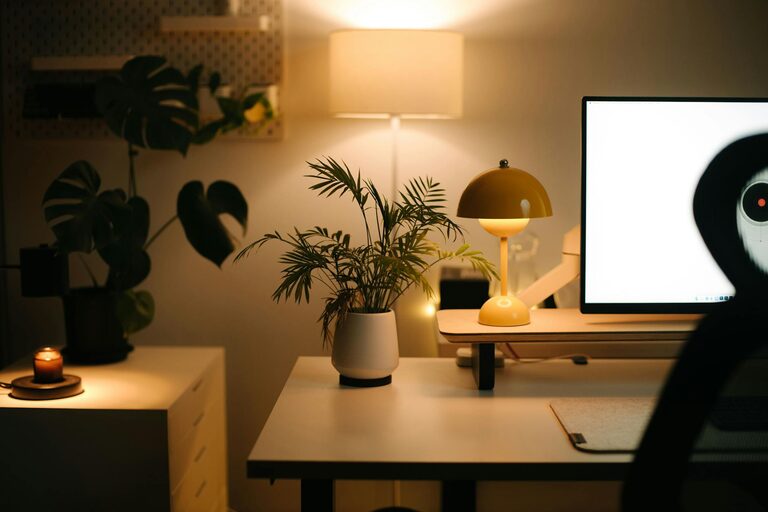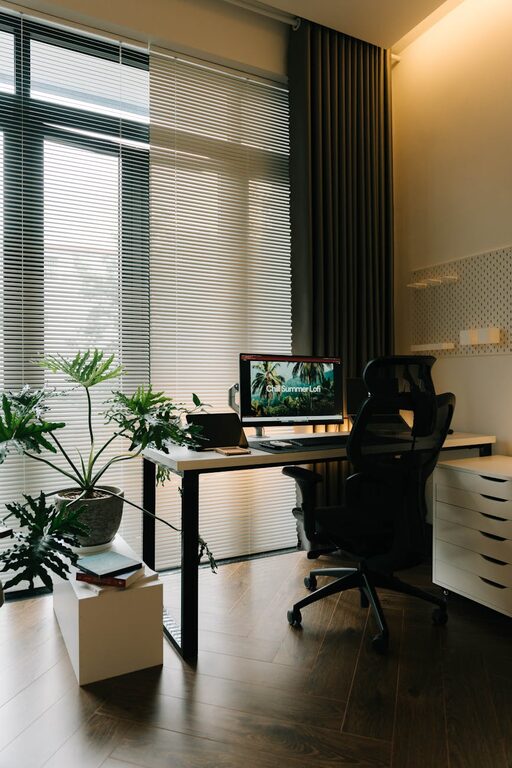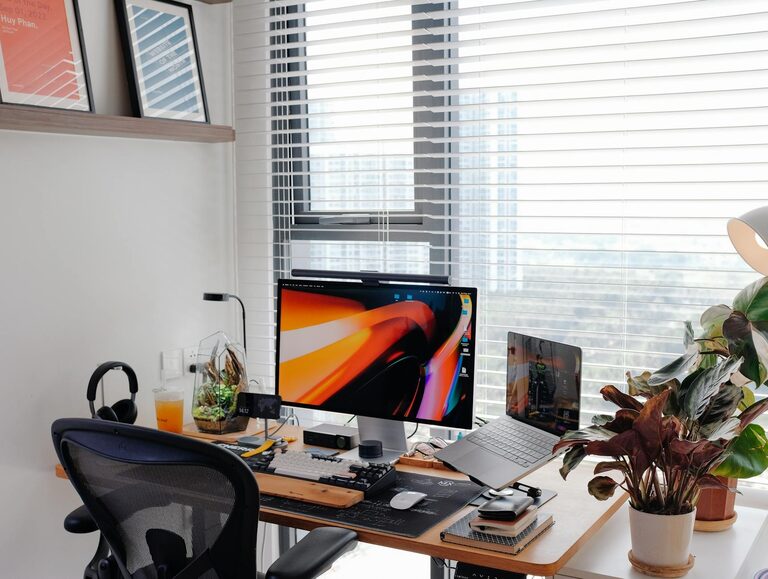
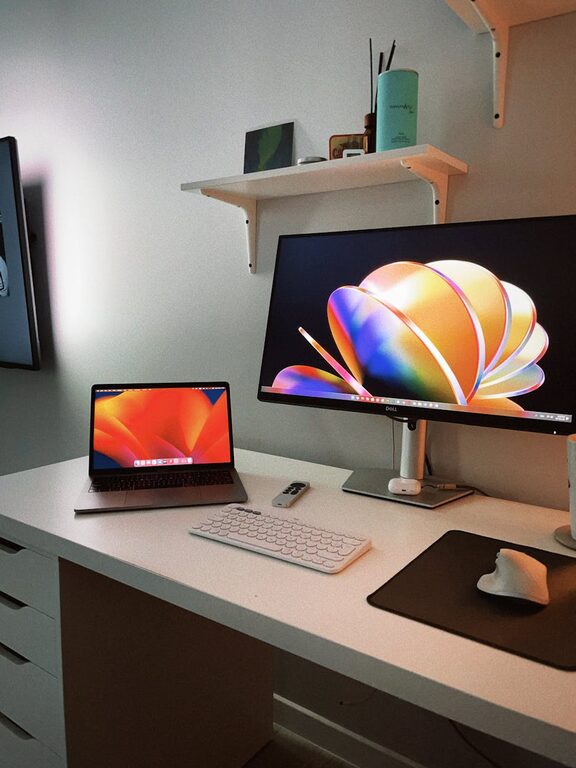
Creating an organized and inspiring home workspace is essential to boost productivity, creativity, and focus. Whether you’re working remotely, studying, or pursuing personal projects, your environment plays a significant role in how efficiently and comfortably you accomplish tasks. Below are practical tips to help you set up a productive home workspace that supports your best work.
1. Choose the Right Location
Selecting the ideal spot for your home workspace is crucial. A dedicated area minimizes distractions and signals your brain that it’s time to work.
– Quiet and Private: Pick a space away from high-traffic areas of your home to reduce noise and interruptions.
– Natural Light: Position your desk near a window if possible—natural light improves mood and alertness.
– Comfortable Size: Your workspace should be spacious enough for your essentials without feeling cramped.
2. Invest in Ergonomic Furniture
Comfort influences how long and how well you can work. Ergonomic furniture helps reduce strain and fatigue.
– Adjustable Chair: Use a chair with good lumbar support and adjustable height to maintain proper posture.
– Desk Height: Ensure your desk allows your arms to rest comfortably at about a 90-degree angle when typing.
– Foot Support: Use a footrest if your feet don’t comfortably reach the floor.
3. Declutter and Organize Your Space
A tidy space enhances focus and minimizes distractions.
– Minimal Essentials: Keep only items you need daily on your desk, such as your computer, notepad, and a pen.
– Storage Solutions: Use shelves, drawers, or boxes to store supplies and files neatly out of sight.
– Daily Cleanup: Make it a habit to clear your workspace at the end of each day.
4. Personalize Your Workspace
Adding personal touches makes your workspace inviting and inspiring, which can boost creativity.
– Plants: Incorporate small plants to add greenery and improve air quality.
– Artwork and Photos: Display art or photos that motivate you or make you feel calm.
– Colors: Use colors that energize or soothe—blues and greens tend to promote calmness, while yellows inspire creativity.
5. Manage Lighting Wisely
Good lighting reduces eye strain and helps maintain alertness.
– Layered Lighting: Combine natural light with task lighting (like desk lamps) and ambient light to create balanced illumination.
– Adjustable Lamps: Choose lamps with adjustable brightness or direction to suit your work type.
– Avoid Glare: Position screens and lights to minimize reflections and glare.
6. Organize Digital Work Materials
A clean physical space is not enough; digital clutter can also hinder focus.
– Declutter Desktop: Keep your computer desktop tidy by organizing files into folders.
– Use Productivity Tools: Utilize apps for note-taking, task management, and calendar scheduling.
– Regular Backups: Set a routine for backing up important files to avoid loss.
7. Set Boundaries and Manage Time
Creating a clear distinction between work and personal time helps maintain focus.
– Defined Work Hours: Stick to regular start and finish times to prevent burnout.
– Use Timers: Techniques like the Pomodoro method (working in intervals) can improve concentration.
– Break Areas: Designate a separate area for breaks to mentally step away without distractions.
8. Keep Tools and Supplies Within Reach
Efficiency increases when everything you need is accessible.
– Desk Organizers: Use trays or pen holders to keep supplies orderly.
– Charging Stations: Have a designated spot for charging devices to avoid tangled cords.
– Cable Management: Use clips or ties to keep cables neat and out of the way.
9. Incorporate Movement and Comfort
Staying in one position too long reduces productivity.
– Ergonomic Accessories: Consider standing desks or balance cushions to encourage movement.
– Regular Stretching: Set reminders to stretch or walk around every hour.
– Comfort Items: Use a small cushion or footrest to increase comfort during long work sessions.
10. Maintain Air Quality and Temperature
A comfortable environment supports focus and creativity.
– Ventilation: Keep windows open when possible or use an air purifier to ensure fresh air.
– Temperature Control: Adjust heating or cooling devices to maintain a comfortable temperature.
– Humidity: Use a humidifier if air is too dry, especially in winter months.
—
By thoughtfully organizing your home workspace following these tips, you can enhance your ability to focus and unleash your creativity. Remember, your workspace should reflect your personal style while promoting comfort and efficiency. Taking the time to set up the right environment can make a significant difference in your daily productivity and overall job satisfaction.
About the Author