Creating a relaxing home workspace is essential for staying focused and maintaining a good work-life balance. Whether you work remotely full-time or occasionally need a quiet spot to get tasks done, designing your space with comfort and calm in mind can make a big difference. From lighting to organization, there are many factors to consider when setting up an environment that supports both productivity and relaxation.
In this post, we share practical tips to help you transform your home workspace into a peaceful haven. Follow these ideas to create a setup that feels inviting and keeps stress at bay.
Why a Relaxing Workspace Matters
Your workspace is where you spend a significant portion of your day, especially if you work from home. A cluttered, noisy, or uncomfortable area can increase stress and reduce focus. On the other hand, a calm and well-designed space can boost creativity, improve concentration, and make work feel less like a chore.
Creating a relaxing workspace isn’t just about aesthetics. It’s about crafting an environment that supports your mental well-being and helps you work efficiently.
Choose the Right Location
Finding the best spot in your home for your workspace is the first step. Consider these points:
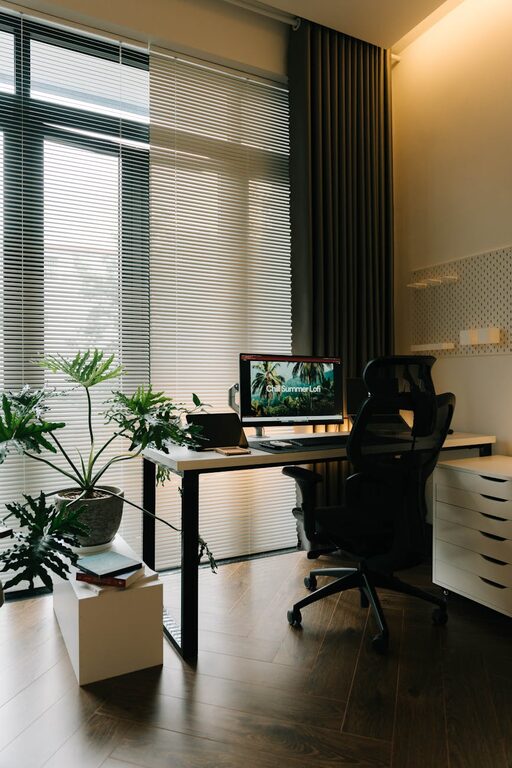
– Natural Light: Choose a location near a window if possible. Natural light helps improve mood and reduce eye strain.
– Low Traffic Area: Pick a quiet corner away from household distractions such as the TV or busy walkways.
– Personal Comfort: Make sure you have enough space for your desk and chair with room to move comfortably.
If space is limited, even a cozy nook or a section of a larger room can work well with the right organization.
Invest in Comfortable Furniture
Comfort goes hand in hand with relaxation. Use furniture that supports good posture:
– Ergonomic Chair: Select a chair that supports your back and allows your feet to rest flat on the floor.
– Appropriate Desk Height: Your desk should match your sitting height to avoid strain on your wrists and shoulders.
– Adjustable Options: Consider desks or chairs that can be adjusted to fit your body perfectly.
Adding cushions or footrests can also increase comfort during long work sessions.
Optimize Lighting
Proper lighting reduces eye strain and sets the tone of the room:
– Use Natural Lighting: Whenever possible, let sunlight illuminate your space.
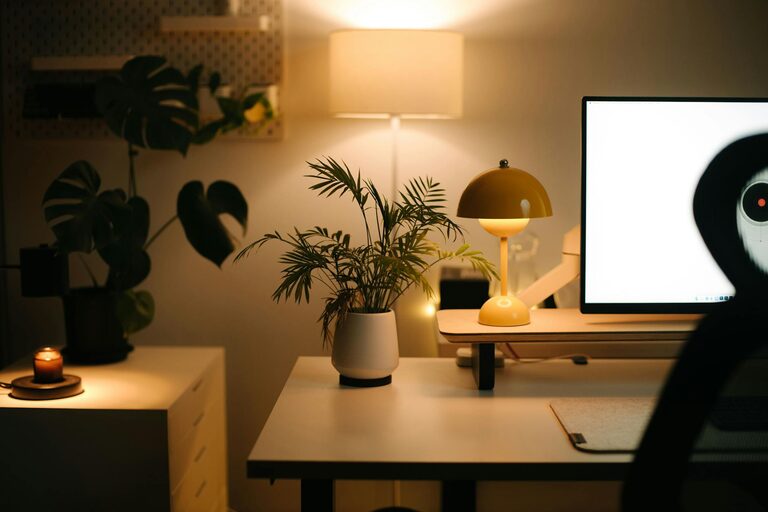
– Task Lighting: Add a desk lamp with adjustable brightness for focused work.
– Avoid Glare: Position screens and lights to minimize glare on monitors and work surfaces.
Soft, warm lighting tends to create a more inviting atmosphere than harsh, bright white lights.
Declutter and Organize
A cluttered workspace can cause distraction and stress. Keep your area tidy with these tips:
– Use Storage Solutions: Bins, shelves, and drawer organizers help keep items out of sight but accessible.
– Limit Desk Items: Keep only essentials on your desk to reduce visual clutter.
– Regular Cleanup: Set aside time weekly to tidy up and organize your space.
Personalize with a few meaningful items like a photo or inspirational quote, but avoid overcrowding.
Add Calming Elements
Incorporate features that promote relaxation and positivity:
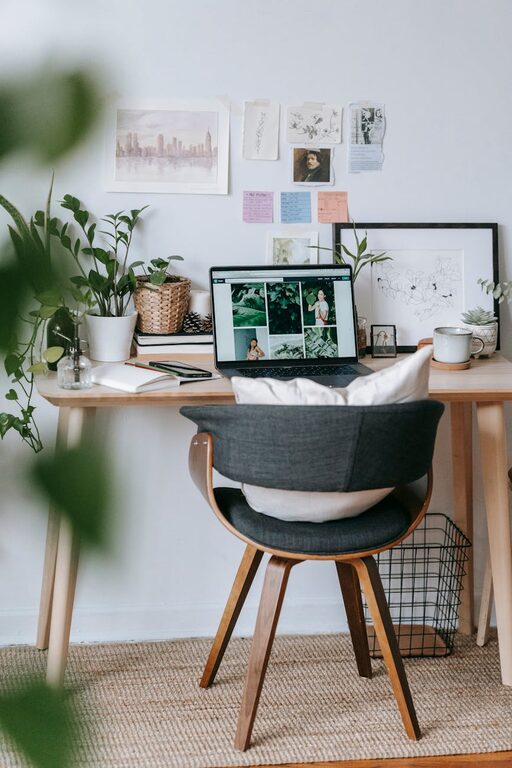
– Plants: Indoor plants improve air quality and add a touch of nature.
– Soft Textiles: A cozy rug or throw blanket can make the area feel more comfortable.
– Pleasant Scents: Use candles or diffusers with subtle scents like lavender or eucalyptus.
These elements help create an inviting and stress-free environment.
Manage Noise Levels
Controlling noise is key to a relaxing workspace:
– Noise-Cancelling Headphones: Useful for blocking distracting sounds.
– White Noise Machines: Can help mask background noise with soothing sounds.
– Soft Furnishings: Curtains, rugs, and cushions also absorb sound and reduce echo.
If external noise is a problem, try rearranging the desk to face a quieter direction.
Set Boundaries and Routine
Creating mental boundaries around your workspace helps maintain relaxation:
– Separate Work and Leisure: Use your workspace only for work to build a routine.
– Regular Breaks: Step away from your desk periodically to rest your mind and body.
– End-of-Day Ritual: Clear your workspace at the end of the day to signal work is done.
Having clear routines helps reduce stress and keeps your workspace special.
Personalize Your Workspace Tastefully
Finally, add personal touches that make you feel happy without overwhelming the area:
– Artwork: Hang simple and soothing images or prints.
– Favorite Colors: Choose a color palette that calms you.
– Inspirational Quotes: Place motivating messages where you can see them.
Personalization makes the workspace uniquely yours and encourages positivity.
—
Designing a relaxing home workspace takes some thought and effort, but the benefits are well worth it. By focusing on comfort, organization, lighting, and calming details, you can create a space that not only helps you get work done but also supports your well-being.
Try implementing these tips one step at a time and adjust based on what feels best for you. A cozy, peaceful workspace is within reach, and it can transform the way you work at home.
About the Author